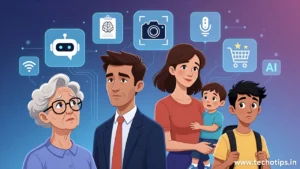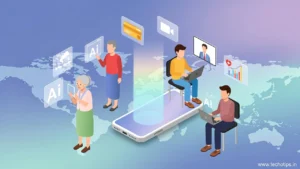
In early 2026, if you’ve recently browsed online for a new pair of running shoes, you’ve likely seen ads for those exact shoes, and perhaps even similar models, popping up on social media, news sites, and even in apps you use for other purposes. This isn’t magic; it’s a direct result of how technology is becoming increasingly adept at understanding and anticipating our individual needs and preferences. This trend, the deep personalization of digital experiences, is no longer a futuristic concept but a present-day reality that touches nearly every aspect of how we interact with the online world. It affects how we shop, how we consume media, how we learn, and even how we communicate. Understanding this shift is crucial for anyone looking to navigate the modern digital landscape effectively and harness its benefits while being aware of its potential pitfalls.
What Is Personalized Digital Experience?
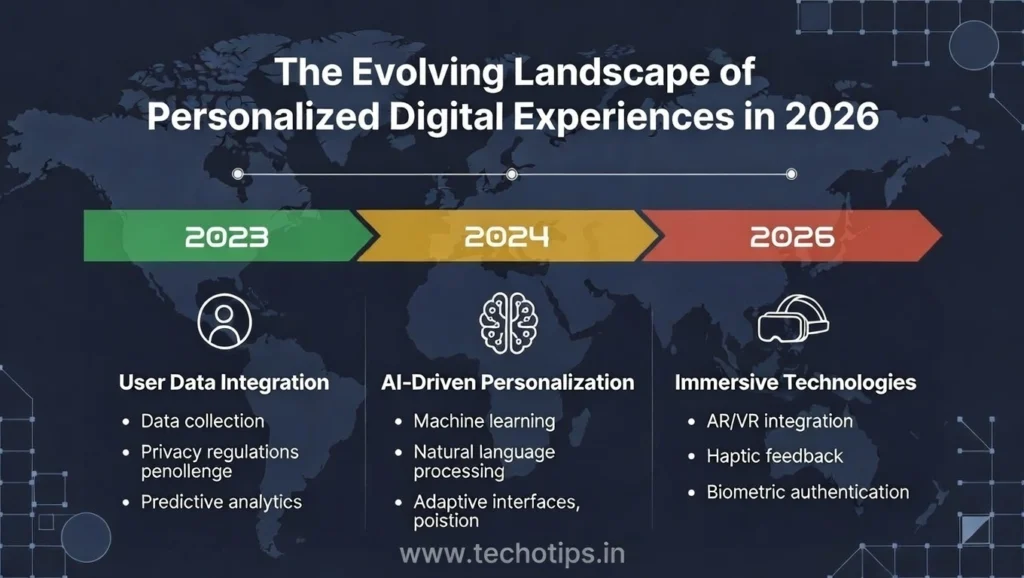
At its core, a personalized digital experience refers to the tailoring of online content, services, and interactions to individual users based on their data and behavior. Instead of a one-size-fits-all approach, platforms and services aim to present information and options that are most relevant to you, right when you need them. This differs from earlier forms of personalization, which were often limited to simple name greetings in emails or showing generic product recommendations. Today’s personalization is far more sophisticated, driven by advanced algorithms that analyze a vast array of data points. These include your browsing history, past purchases, location, device usage patterns, social media activity, and even inferred interests. The goal is to create a digital environment that feels intuitive, helpful, and uniquely suited to your personal journey. This is happening now because the underlying technologies, such as artificial intelligence, machine learning, and big data analytics, have matured to a point where they can process and act upon complex user data in real-time. Key technologies involved include recommendation engines, natural language processing for understanding user queries, and predictive analytics to anticipate future needs.
Why This Trend Matters to Regular People
This trend matters profoundly to regular people because it directly influences the quality and efficiency of our daily digital interactions. Imagine searching for a recipe; instead of sifting through countless irrelevant results, a personalized search might immediately present options tailored to your dietary restrictions or cooking skill level. For shoppers, this means discovering products they might genuinely love without wading through endless irrelevant items. For entertainment seekers, it means a curated stream of movies, music, or articles that align with their tastes, saving time and enhancing enjoyment. The scale of this change is significant; it’s moving from optional conveniences to becoming an expected standard in many digital services. The timeline of impact is already here for many, particularly in areas like e-commerce and streaming services, with further integration into news, education, and even healthcare expected in the coming years.
How Personalization Is Changing Online Shopping
Online shopping has been one of the earliest and most prominent areas to embrace deep personalization. Before, you might have seen generic advertisements or product listings based on broad categories. Now, when you visit an online store, the homepage might dynamically change to showcase items related to your recent searches or even predict what you might need next. Product recommendations are no longer just “customers who bought this also bought that”; they are often highly specific, suggesting accessories that perfectly match an item you’ve viewed or even alerting you when a desired item goes on sale. For example, a user who frequently buys sustainable clothing might see those brands prominently featured, while someone interested in high-tech gadgets will see a different homepage. This shift moves beyond simple transactional convenience to creating a more engaging and, ideally, more satisfying shopping journey. Users who once had to actively search for everything now find relevant items presented to them, making the process feel more like a tailored discovery.
Real-World Examples of This Trend
We encounter this trend daily through numerous platforms. E-commerce giants like Amazon use sophisticated recommendation engines to suggest products based on your entire purchase and browsing history, often predicting items you didn’t even know you needed. Streaming services like Netflix and Spotify are masters of personalization, curating playlists and watchlists that keep users engaged by understanding their viewing and listening habits. Even social media platforms, such as Facebook and Instagram, personalize your feed to show you content from friends, pages, and topics you interact with most. For instance, if you engage with posts about gardening, you’ll likely start seeing more gardening-related content, ads, and even suggestions for gardening groups. Beyond these giants, many smaller businesses are leveraging personalization tools to create more targeted marketing campaigns and customer service interactions, making their offerings feel more direct and relevant to individual consumers.
Benefits for Common People
The advantages of personalized digital experiences for common people are numerous and tangible. Primarily, it leads to increased convenience and efficiency. Finding what you need or discovering something you’ll enjoy becomes much quicker and easier when tailored to your preferences. This can also translate into cost savings, as personalized offers and discounts are more likely to be relevant to your actual purchasing habits, reducing impulse buys of things you don’t need. Accessibility is another key benefit; for individuals with specific needs, personalization can help filter out irrelevant information and highlight solutions that are truly helpful. For instance, a user with visual impairments might have their digital interfaces adjusted for better readability. Overall, personalized experiences can lead to a more satisfying and less overwhelming engagement with the digital world, making technology feel more like a helpful assistant and less like a noisy, chaotic marketplace.
Challenges and Concerns
Despite the benefits, significant challenges and concerns accompany the rise of personalized digital experiences. The most prominent is privacy. The depth of data collection required for effective personalization can feel intrusive, leading to worries about how personal information is stored, used, and protected. Users often have little transparency into what data is collected and how it influences the experiences they see. Another concern is the potential for echo chambers, where algorithms continuously show users content that aligns with their existing beliefs, limiting exposure to diverse perspectives and hindering critical thinking. This can also lead to a “filter bubble” effect, where individuals are less likely to encounter new ideas or information that challenges their status quo. Furthermore, the digital divide can be exacerbated, as those less digitally savvy or with limited access to technology may be excluded from the benefits of advanced personalization or be more susceptible to its drawbacks. There’s also the risk of manipulative personalization, where companies use insights into user behavior to subtly influence purchasing decisions or reinforce biases.
How to Adapt to This Trend
Adapting to the trend of personalized digital experiences requires a balanced approach, focusing on empowerment and informed engagement. Firstly, it’s crucial to be mindful of the data you share. Regularly review privacy settings on apps and websites, and consider using privacy-focused browsers or tools. Secondly, actively seek out diverse perspectives to counteract the echo chamber effect. Make an effort to follow sources of information that may present different viewpoints, and engage with content outside your usual preferences. Thirdly, develop critical digital literacy. Understand that the content you see is often curated and try to discern whether it’s genuinely helpful or designed to influence you. When it comes to online shopping, be aware of recommendation engines and resist the urge to make impulse purchases simply because something is advertised to you. For those who find the technology overwhelming, seeking out introductory guides or asking tech-savvy friends or family for help can demystify many of the underlying concepts, making adaptation smoother.
What Experts and Data Show
Experts and data consistently highlight the growing importance and pervasiveness of personalization. Market research reports indicate a substantial increase in investment by companies in personalization technologies. Industry predictions suggest that by 2027, a significant majority of online interactions will be heavily personalized. Research also points to the effectiveness of personalization in boosting customer loyalty and conversion rates. However, data also reflects growing consumer unease regarding privacy, with surveys showing a rising percentage of individuals concerned about how their data is being used. Expert opinions often emphasize the need for ethical AI development and transparent data practices to build and maintain consumer trust in personalized digital environments.
What’s Coming Next
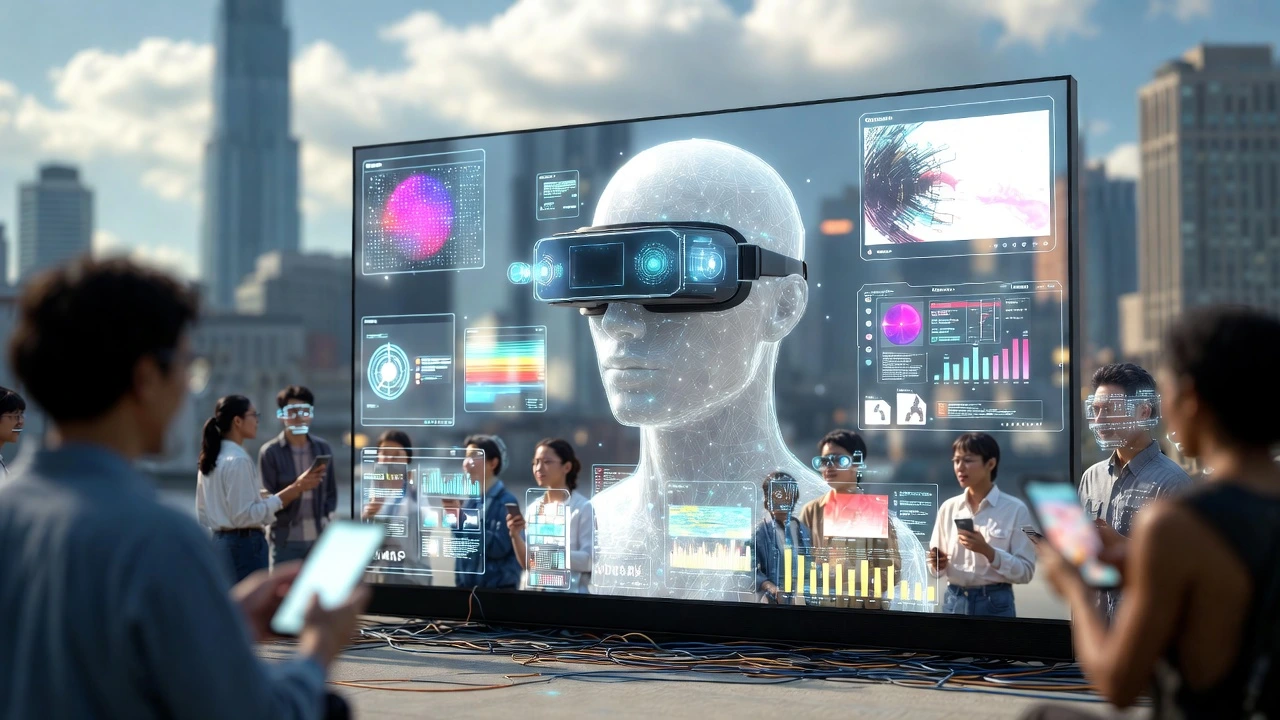
Looking ahead, the trend of personalization is set to become even more integrated and sophisticated. In the next one to two years, we can expect to see more proactive personalization, where digital assistants and platforms anticipate needs before users even articulate them. This might include smart home devices pre-ordering groceries based on your usual consumption patterns or travel apps suggesting destinations based on your recent online searches about climate and activities. Within five years, true multimodal AI, which can understand and process information from various sources like text, images, audio, and video simultaneously, will likely drive hyper-personalization. This could lead to incredibly rich and context-aware digital experiences. Imagine a virtual assistant that not only understands your spoken request but also sees an object you’re pointing at and provides relevant information or suggestions in real-time. Related emerging trends include ambient computing, where technology seamlessly integrates into our environment, and the increasing use of generative AI to create personalized content on the fly, from custom news summaries to bespoke educational materials. To prepare, individuals should focus on developing adaptable learning skills and maintaining a healthy skepticism about the curated digital information they encounter.
Frequently Asked Questions about Personalized Digital Experiences
Is personalization always good for me?
Personalization offers many benefits like convenience and relevant content, but it also raises privacy concerns and can create filter bubbles, limiting exposure to diverse viewpoints. It is a mixed bag, so awareness is key.
How much of my data is being used for personalization?
The amount of data used varies widely by platform and service. Generally, the more personalized your experience, the more data is being collected and analyzed about your behavior, preferences, and interactions.
Can I turn off personalization?
Many platforms allow you to adjust privacy settings or opt out of certain types of data collection and personalized advertising. However, completely disabling all personalization might limit the functionality of some services.
Will personalization take away my ability to discover new things?
While personalization can curate content you’re likely to enjoy, it can also create filter bubbles. Actively seeking out new sources and different types of content is important to counter this potential limitation.
How can I protect my privacy in a personalized digital world?
Regularly review your privacy settings on apps and websites, be mindful of the information you share, and consider using privacy-enhancing tools and browsers.
Is personalized content always accurate or unbiased?
No, personalized content is generated by algorithms that can sometimes reflect biases present in the data they are trained on. It’s important to critically evaluate all information you receive.
How will personalization affect my job opportunities?
Personalization can change job roles, particularly in marketing, sales, and customer service, by automating certain tasks. It may also create new roles in data analysis, AI development, and AI ethics.
When did personalized digital experiences become common?
While the concept has existed for years, sophisticated personalization driven by AI and big data has become widespread over the last decade, significantly accelerating in the last five years.