Imagine a future where your smart assistant doesn’t just hear your voice, but also sees what you see, understands your gestures, and even recognizes the emotions in your tone. This isn’t science fiction anymore. We’re on the cusp of a major leap in artificial intelligence, moving beyond text-only chatbots to something far more comprehensive: true multimodal AI. It’s a development that promises to reshape how we interact with technology, making our digital lives more intuitive, personalized, and, honestly, a little mind-blowing.
Just recently, major AI labs have been showcasing systems that effortlessly blend understanding across various forms of data. This isn’t just an upgrade; it’s a fundamental shift in how AI perceives the world, mirroring how we humans do. This transformation matters deeply to you, to me, and to everyone who uses a smartphone, watches a video, or interacts with any digital device. It’s about to make our everyday tech feel less like a tool and more like a partner.
What This Multimodal AI Update Actually Is
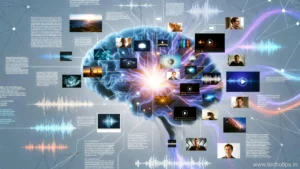
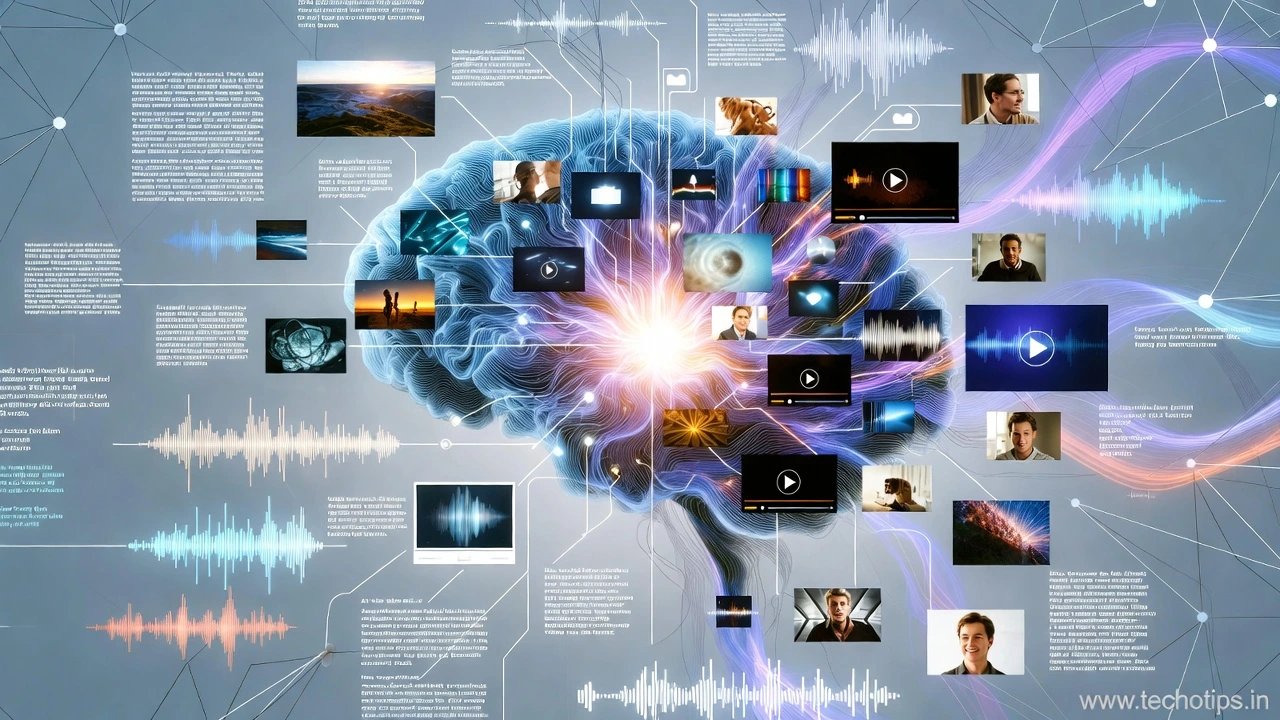
At its heart, multimodal AI refers to machine learning models that can process and integrate information from several types of data all at once. Think of it like teaching an AI to use its “senses” simultaneously. Instead of just reading text, it can also “see” images, “hear” audio, and even “watch” videos. Then, it combines all those inputs to build a much richer, more complete understanding of what you’re trying to communicate or what’s happening in its environment.
Traditional AI often specializes in one type of data. A chatbot, for example, is great with text, while an image recognition system focuses solely on visuals. Multimodal AI breaks down these barriers. It works by using dedicated “transformers” for each data type, turning them into numerical vectors. These vectors are then brought together in a “fusion module” where the AI aligns and combines them, forming a unified representation. This unified understanding allows the AI to make more informed decisions and generate more accurate outputs. It’s like when you see a friend, hear their tone, and read their body language all at once to truly grasp their mood. The AI is learning to do the same with digital information.
Why This Multimodal AI Development Matters
This development isn’t just a technical achievement for AI researchers; it has profound real-world impact for all of us. Imagine a world where your technology understands context far better than it does today. A voice assistant that not only hears your command but also sees the item you’re pointing at on your screen or understands the urgency in your tone. This means less frustration, fewer misunderstandings, and a much more natural interaction with our devices.
Multimodal AI enhances contextual understanding by cross-referencing information from different sources. This makes AI systems more accurate and robust in real-world situations, where data might be incomplete or noisy. For example, if a smart home system mishears your verbal command, it might compensate by analyzing your gesture or the specific objects in your view. This improved reliability and depth of understanding means smarter devices, more helpful tools, and a technology experience that truly adapts to us, rather than the other way around. Everyone, from students working on projects to busy professionals and even creative individuals, will feel the effects of this shift.
How Multimodal AI Changes Daily Tasks and Interaction
The integration of multimodal AI is set to redefine many aspects of our daily lives, from how we work to how we interact with our homes. In the workplace, particularly in fields like design and content creation, AI could become an incredibly powerful assistant. Imagine instructing a design tool with a combination of spoken words, sketches, and reference images, and having it instantly grasp your vision. Customer service will also see a transformation, with AI agents better understanding customer sentiment by analyzing voice tone, facial expressions from video calls, and the content of their words.
At home, daily tasks could become far more streamlined. Organizing your sprawling collection of photos and videos might become as simple as asking your AI, “Find all videos of my dog playing in the snow last winter” and having it understand the visual cues, the time frame, and the subject without needing manual tagging. For personalized learning, an AI could adapt educational content based on your engagement level detected through eye-tracking, or even your vocal responses. Smart home integration will also grow, with devices responding not just to voice, but to your presence, gestures, and even the ambient sounds in a room.
However, with greater capability comes new considerations, especially regarding privacy. As AI systems ingest more diverse data like visual inputs from cameras or audio from microphones, the sheer volume of personal information they process dramatically increases. This raises important questions about data storage, security, and how this rich, combined data might be used or misused.
Benefits of Multimodal AI for Regular Users
For regular users like you and me, the benefits of advanced multimodal AI are truly exciting and practical. First, think about streamlined workflows. If you’re creating a presentation, you could speak your ideas, point to images, and type specific text, with the AI seamlessly integrating it all. This means less jumping between apps and more focus on your creativity. Multimodal AI enhances accuracy by integrating multiple data streams, leading to fewer errors.
Consider real use cases:
1. Personalized shopping: An AI could not only hear you say you need a new jacket but also see the style you’re wearing in a mirror through a smart device and suggest similar options or complementary items.
2. Educational tools: Learning platforms could become truly adaptive, understanding when a student is confused by observing their facial expressions or hesitations in their speech, and then offering tailored explanations or examples using visuals, audio, and text.
3. Entertainment: Imagine interactive games or stories that respond not just to your clicks or typed commands, but to your verbal reactions, your gaze, and even your body language, creating a far more immersive experience.
4. Accessibility improvements: For people with disabilities, multimodal AI can be a game-changer. Someone who struggles with typing could use voice commands and gestures, while an AI assistant could describe visual information for those with visual impairments, making technology far more inclusive. By leveraging different modalities, these systems can achieve higher accuracy and provide a richer user experience.
Concerns and Limitations
While the promise of multimodal AI is vast, it’s crucial to approach this technology with an honest look at its challenges and limitations. These aren’t just technical hurdles; they involve significant ethical considerations that impact everyone.
One of the primary concerns is the potential for bias amplification. Multimodal AI systems learn from the data they’re fed, and if that data contains biases in one or more modalities for example, images that underrepresent certain demographics or speech data with regional accents not properly accounted for – the AI can not only inherit but also amplify these biases in its outputs. This could lead to unfair or discriminatory outcomes in critical applications like hiring tools or loan approvals.
Another significant area of concern is privacy risks. When an AI system processes text, images, audio, and video about an individual, it builds an incredibly detailed profile. The more types of data an AI handles, the greater the potential for privacy breaches and the inference of unintended personal information. For example, combining location data from photos with timestamps from messages could reveal someone’s daily routine without their explicit consent or full understanding.
Finally, the transparency gaps in multimodal AI models can make it difficult to understand how? the AI arrived at a particular decision. This lack of interpretability poses challenges for accountability, especially if an AI system makes an error with serious consequences. If a self-driving car, for instance, has conflicting inputs from its camera and lidar, and an accident occurs, pinpointing the exact cause and responsibility becomes incredibly complex. We need to ensure that as AI becomes more capable, we also demand greater clarity in its decision-making processes.
How to Adapt and Prepare for a Multimodal AI Future
The future with multimodal AI is not just about passively consuming new technology; it’s about actively adapting and preparing to harness its power responsibly. The good news is, you don’t need a technical degree to get ready.
Here are some actionable steps you can take:
1. Experiment with current AI tools: Many AI applications already incorporate basic multimodal features. Try using voice commands for image generation or asking a chatbot to analyze an uploaded document. Playing around with these tools helps you understand their capabilities and limitations firsthand.
2. Learn about data privacy: As AI processes more of your data – across various modalities – understanding how your information is collected, used, and stored becomes paramount. Be mindful of the permissions you grant to apps and services, and explore privacy settings.
3. Focus on understanding capabilities, not code: You don’t need to know how an AI algorithm works to benefit from it. Instead, focus on what multimodal AI can do for you in your daily tasks, whether it’s streamlining your work or enhancing your creative pursuits.
4. Develop critical thinking skills: In a world where AI can generate highly realistic content from various inputs, it’s more important than ever to critically evaluate the information you encounter. Question sources and look for cues that indicate AI generation if accuracy is critical.
5. Stay informed: Follow reputable tech news sources that discuss AI advancements and their societal impact. Being aware of new developments, ethical debates, and practical applications will help you navigate this evolving landscape. For more on the tools driving this, you might even find articles like those on Best AI Coding Tools for Developers in 2026 interesting, even if you are not a coder, as they offer insight into the ecosystem of AI creation.
By taking these steps, you’ll be well-equipped to both leverage the benefits of multimodal AI and mitigate its potential drawbacks, making it a powerful ally in your digital life.
What Experts Are Saying
The conversation among experts about multimodal AI is vibrant, showcasing a mix of excitement for innovation and thoughtful caution regarding its societal implications. There’s a general consensus that this technology represents a significant leap forward, making AI systems more capable and human-like in their understanding. Many see it as opening up entirely new possibilities for human-computer interaction and content creation.
However, alongside this optimism, you hear strong calls for careful governance and ethical development. Experts often emphasize the need to address issues like bias in training data, ensuring fairness across different user groups. Privacy is another recurring theme, with discussions around how to protect sensitive user data as AI systems process an ever-broader range of inputs, from facial expressions to vocal nuances. There’s a push for greater transparency, making sure we can understand how these complex models arrive at their decisions, fostering trust and accountability.
Essentially, the message is balanced: Multimodal AI is transformative, a “new era of human-computer synergy,” but its successful and beneficial integration into our lives will depend heavily on robust ethical frameworks and responsible development practices. We can’t just build powerful AI; we must build *wise* AI.
What’s Coming Next for Multimodal AI
The trajectory for multimodal AI points towards an increasingly integrated and intuitive future. We can expect even more sophisticated systems that blend senses in ways that feel incredibly natural, almost indistinguishable from human perception. The goal is to move towards AI that doesn’t just process information, but truly understands the world in a holistic sense.
Here’s what we might see next:
1. Fully immersive digital assistants: Imagine an AI assistant that’s a true partner, capable of understanding complex, nuanced requests that involve multiple inputs – like “find me a blue shirt like the one in this photo, but make sure it’s ethical and fits my current budget.”
2. AI companions with emotional intelligence: Future multimodal AI could potentially recognize and respond to human emotions with greater accuracy by analyzing tone of voice, facial expressions, and even physiological cues. This could lead to more empathetic interactions in areas like mental health support or elderly care.
3. Advanced content generation: Creators will likely gain tools that can generate entire multimedia presentations – text, images, audio, and even video – from a single, descriptive prompt, revolutionizing fields like marketing, education, and entertainment.
4. Autonomous systems with superior awareness: Self-driving cars and advanced robotics will become even safer and more capable as they integrate an ever-wider array of sensor data, understanding their environment with unprecedented detail.
We are likely to see a gradual integration of these advancements into our existing technologies, with significant shifts becoming noticeable within the next three to five years. To stay informed, keep an eye on announcements from leading AI research labs and tech companies, and engage with discussions on platforms like techotips for the latest updates and analyses.
Conclusion
The advent of true multimodal AI marks a pivotal moment in our relationship with technology. We’re moving beyond simple commands and text-based interactions into a world where our digital tools can see, hear, and understand us with a depth previously unimaginable. This shift promises a future filled with more intuitive devices, personalized experiences, and powerful new ways to create and connect.
Of course, with such transformative power come important responsibilities. We’ve talked about the need to address concerns like bias, privacy, and transparency, ensuring that this incredible technology benefits everyone equitably and ethically. As we continue to develop and integrate multimodal AI into our lives, remember that your engagement and critical thinking are essential. Explore the new tools, understand their capabilities, and advocate for responsible development. This isn’t just about what AI can do; it’s about what we, as users and shapers of the digital world, will make it become. The journey ahead is exciting, and we’re all a part of it.
FAQs
What is multimodal AI in simple terms?
Multimodal AI is an artificial intelligence system that can process and understand different types of data at the same time, like text, images, audio, and video, just as humans use multiple senses to understand the world around them.
How is multimodal AI different from regular AI?
Regular or “unimodal” AI usually specializes in one type of data, like a chatbot only understanding text. Multimodal AI, on the other hand, combines various data types to gain a more comprehensive and contextual understanding.
What are some real-world examples of multimodal AI?
Multimodal AI is used in self-driving cars that combine camera, radar, and lidar data for navigation, in smart assistants that understand both voice commands and visual cues, and in medical diagnostics that analyze images alongside patient records.
Does multimodal AI raise any privacy concerns?
Yes, because multimodal AI processes a wide array of personal data across different formats, it increases privacy risks. There are concerns about how this rich, combined data is collected, stored, and used, and the potential for unintended inferences about individuals.
How can I prepare for the impact of multimodal AI?
You can prepare by experimenting with current AI tools, learning about data privacy best practices, focusing on understanding AI’s capabilities rather than its code, and staying informed about new developments and ethical discussions in the field.
Will multimodal AI take away jobs?
While multimodal AI may automate some routine tasks, it’s more likely to change job roles rather than eliminate them entirely. It will create new tools that enhance human productivity and creativity, leading to the emergence of new job categories that require working alongside AI.
Is multimodal AI always accurate?
No, like all AI, multimodal AI can inherit and even amplify biases present in its training data, leading to inaccuracies or unfair outcomes. Ensuring its accuracy and fairness is an ongoing challenge for developers.